Enhancing Guidance and Counselling in Zambian Schools: The Need for Trauma-Informed Approaches


Guidance and counselling play a crucial role in the holistic development of students, providing support for their academic, social, and emotional well-being. In Zambia, the education system is evolving to meet the diverse needs of its student population. One area that requires significant attention is the integration of trauma-informed approaches within guidance and counselling practices.
Understanding Trauma in Schools
Trauma can profoundly impact a student's ability to learn and interact with others. Experiences such as abuse, neglect, or loss can lead to difficulties in concentration, behavior, and emotional regulation. In Zambia, many students face challenges that could result in trauma, making it essential for educators and counsellors to recognize and address these issues effectively.
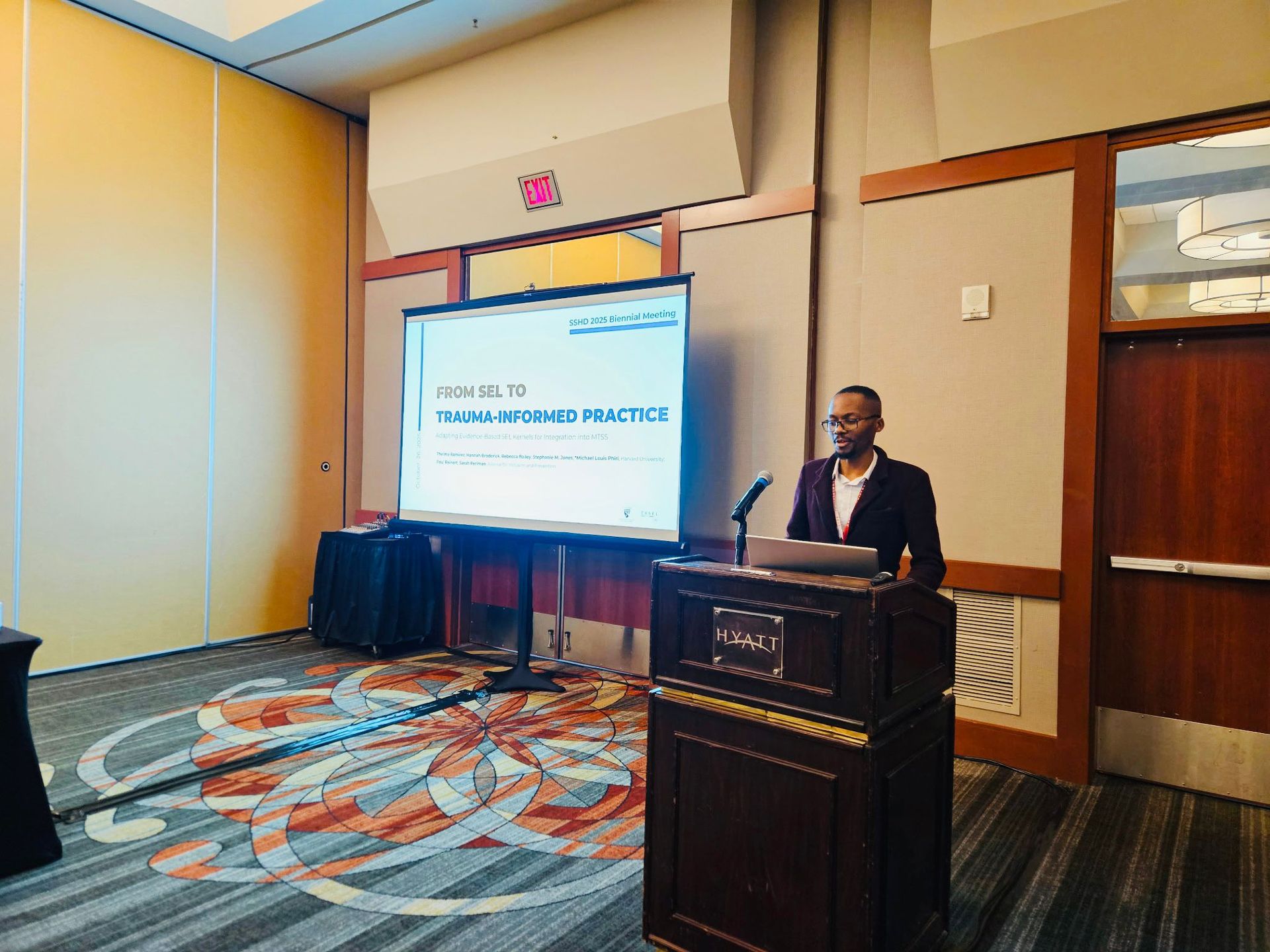
Implementing trauma-informed approaches in schools involves understanding the prevalence of trauma, recognizing its signs, and responding appropriately. This approach fosters a supportive environment where students feel safe and valued, enabling them to thrive academically and personally.
The Importance of Training for Educators
To successfully adopt trauma-informed practices, educators and counsellors must receive proper training. This training should cover topics such as the effects of trauma on brain development, strategies for creating supportive classroom environments, and techniques for addressing trauma-related behaviors.
- Recognize signs of trauma in students.
- Develop empathetic communication skills.
- Implement strategies that promote resilience.
By equipping educators with the necessary skills and knowledge, schools can create a more inclusive and nurturing environment for all students.
Creating a Supportive School Environment
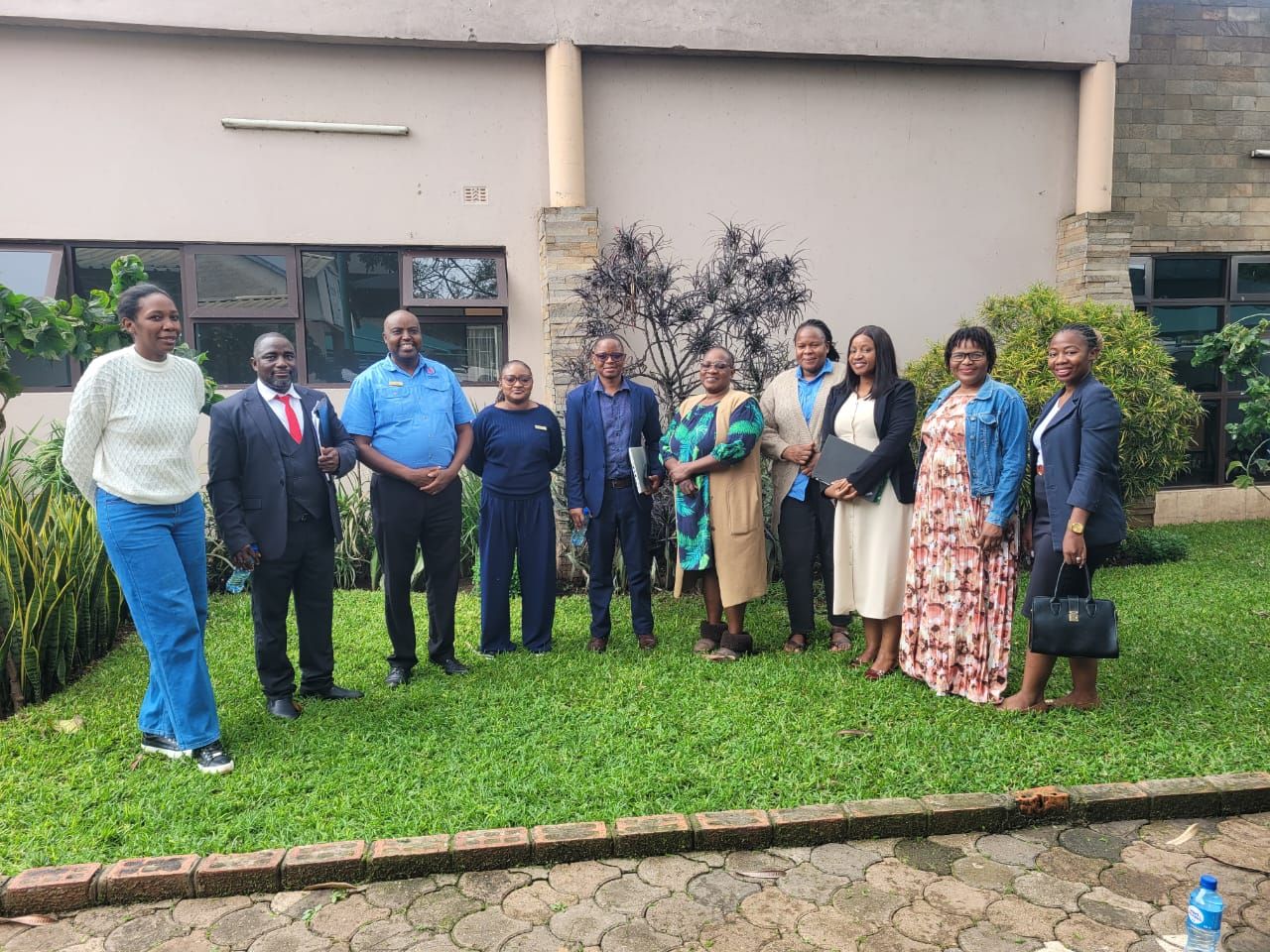
A trauma-informed school environment requires collaboration among all staff members, including teachers, administrators, and support personnel. This collaboration ensures that the needs of students are met consistently across different areas of their school experience.
Schools can adopt several strategies to foster a supportive environment:
- Establishing clear communication channels between staff and students.
- Encouraging student participation in decision-making processes.
- Providing access to counselling services and mental health resources.
Community Involvement and Support
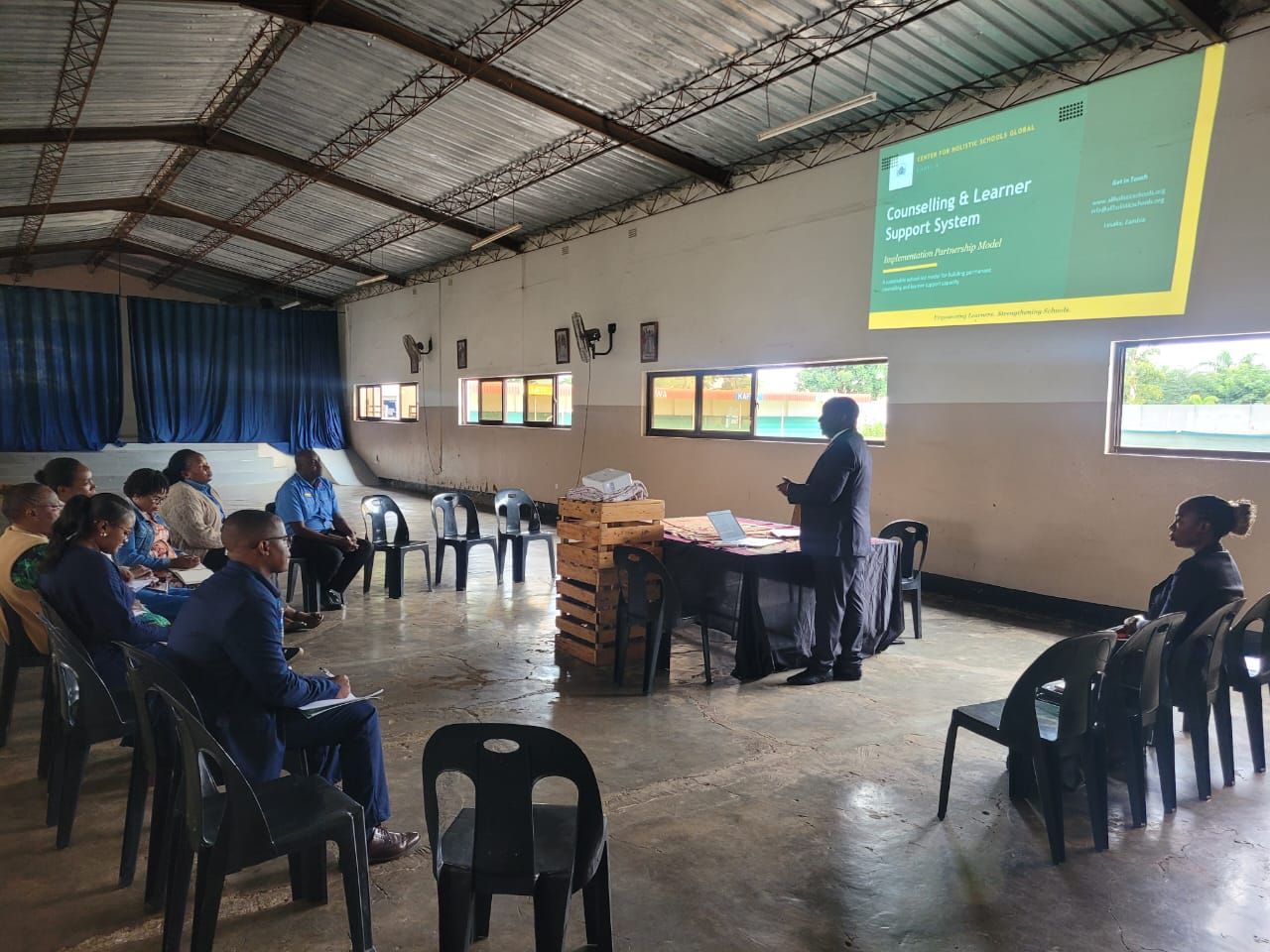
Community involvement is another critical aspect of enhancing guidance and counselling in Zambian schools. Engaging parents, local leaders, and mental health professionals can provide additional support and resources for students. Workshops, seminars, and community programs can help raise awareness about the importance of trauma-informed approaches and encourage collective action.
By building strong community partnerships, schools can extend their support network, ensuring that students receive comprehensive care both within and outside the school setting.
The Future of Guidance and Counselling in Zambia
As Zambia continues to strengthen its education system, integrating trauma-informed approaches within guidance and counselling practices is a vital step forward. By prioritizing the emotional and psychological well-being of students, schools can help them achieve their full potential.
Ultimately, a trauma-informed approach not only benefits individual students but also contributes to the creation of a more compassionate and resilient society. As educators, counsellors, and community members work together, the impact of these efforts will be felt for generations to come.